Microsoft breaks Windows again
Inspiration for this article is from Meredith Whittaker, the President of Signal who did an interview with Bloomburg;
https://cyberinsider.com/signal-president-warns-ai-agents-are-making-encryption-irrelevant/
 Microsoft seems to be repeating errors from its past in the pursuit of marketable “tools” and “features,” sacrificing safety and privacy for dominance. This is not a new pattern. In the late 1990s and early 2000s, Microsoft made a deliberate decision to integrate Internet Explorer directly into the operating system, not because it was the safest architecture, but because it was a strategic one. The browser became inseparable from Windows, not merely as a convenience, but as a lever to eliminate competition and entrench market control. The result was not only the well documented U.S. antitrust case, but a security disaster of historic scale, where untrusted web content was processed through deeply privileged OS components, massively expanding attack surface across the entire installed base. The record of that era is clear: integration was a business tactic first, and the security consequences were treated as collateral. https://www.justice.gov/
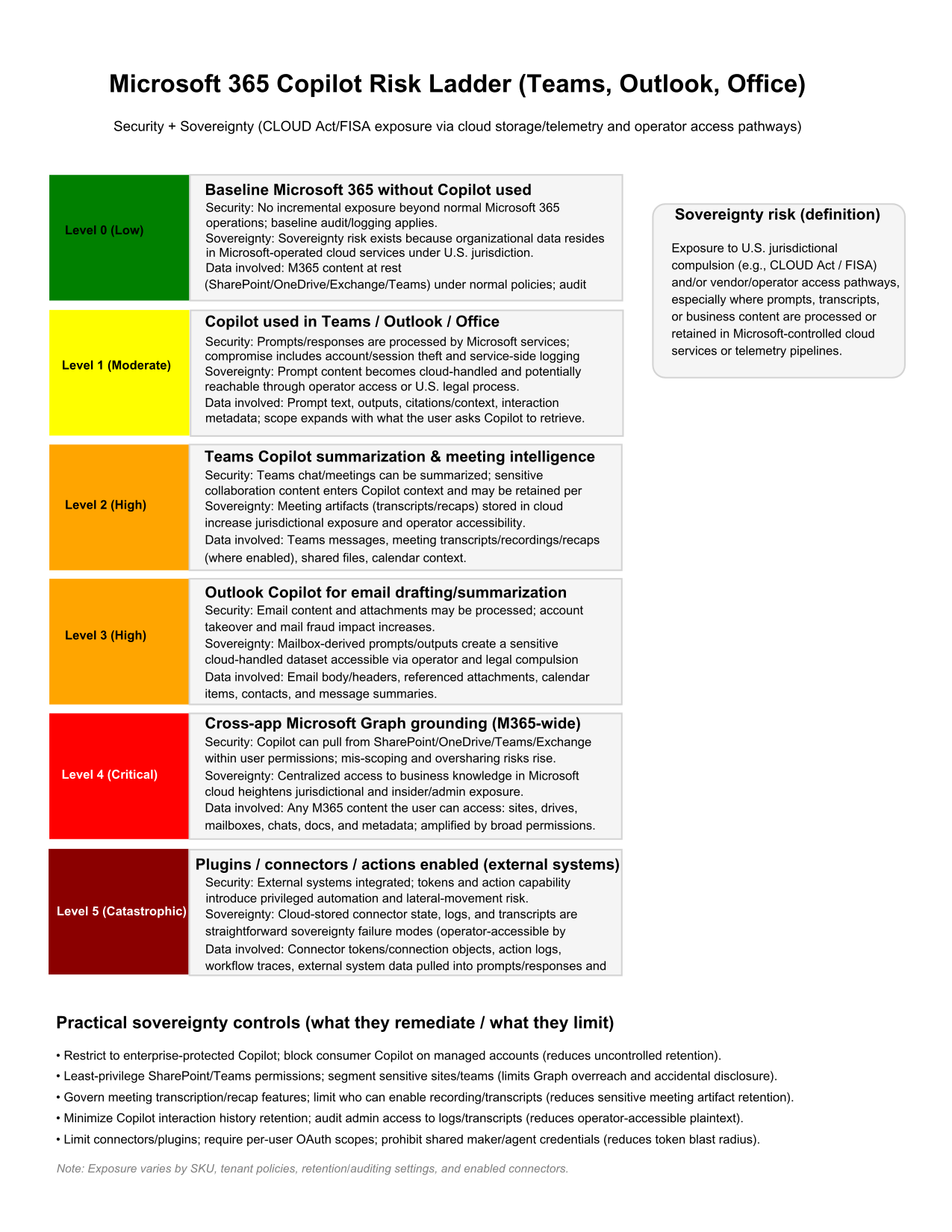
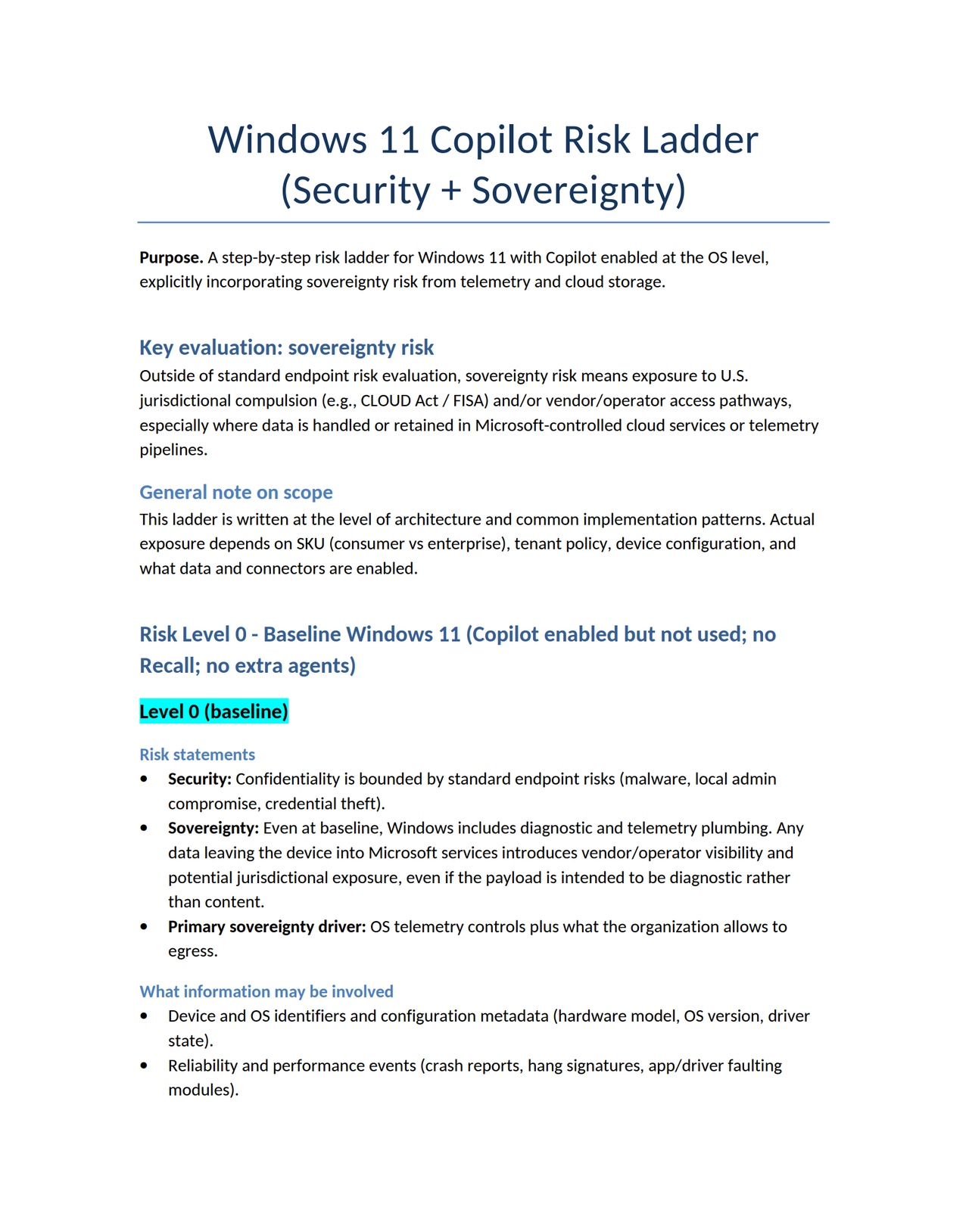
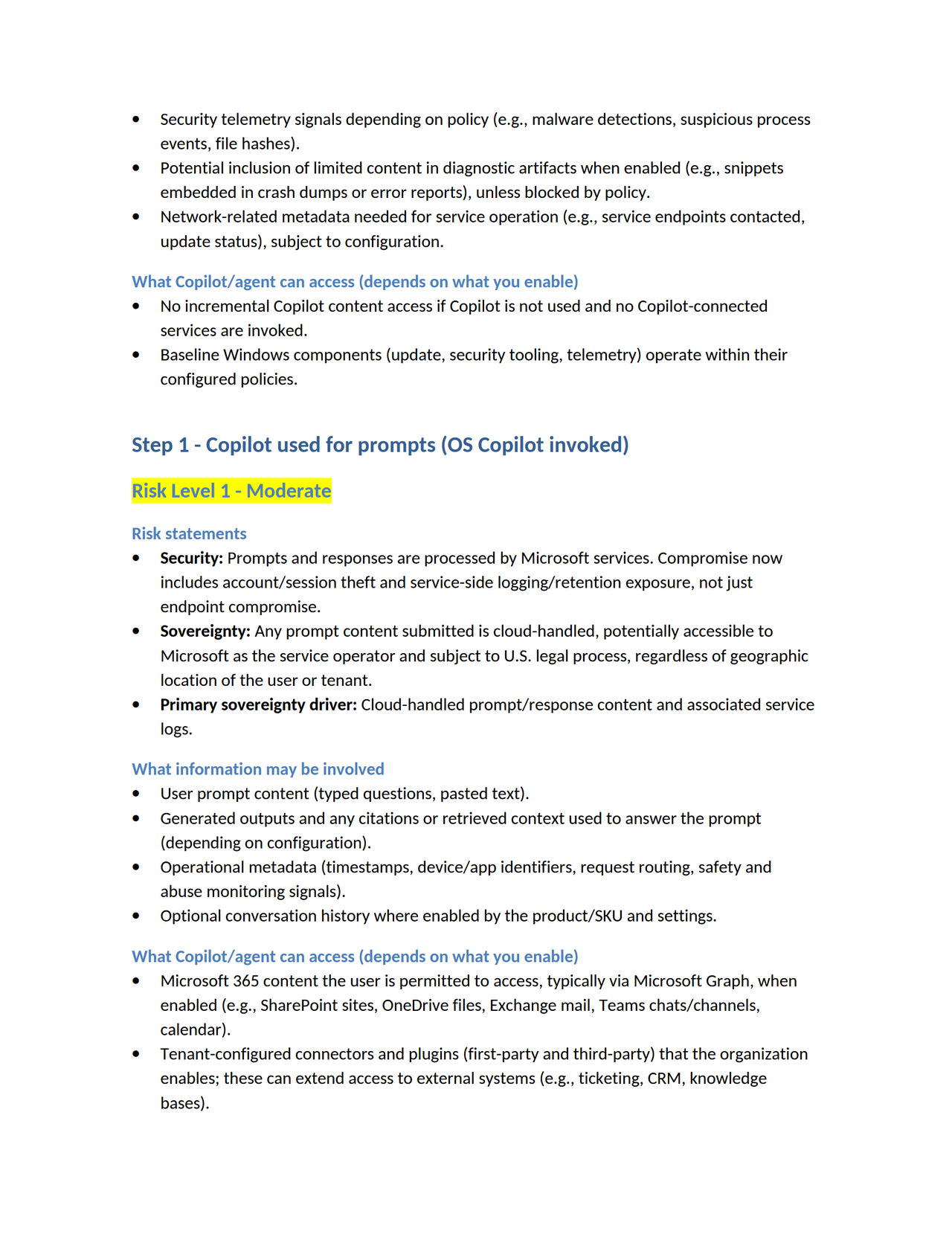
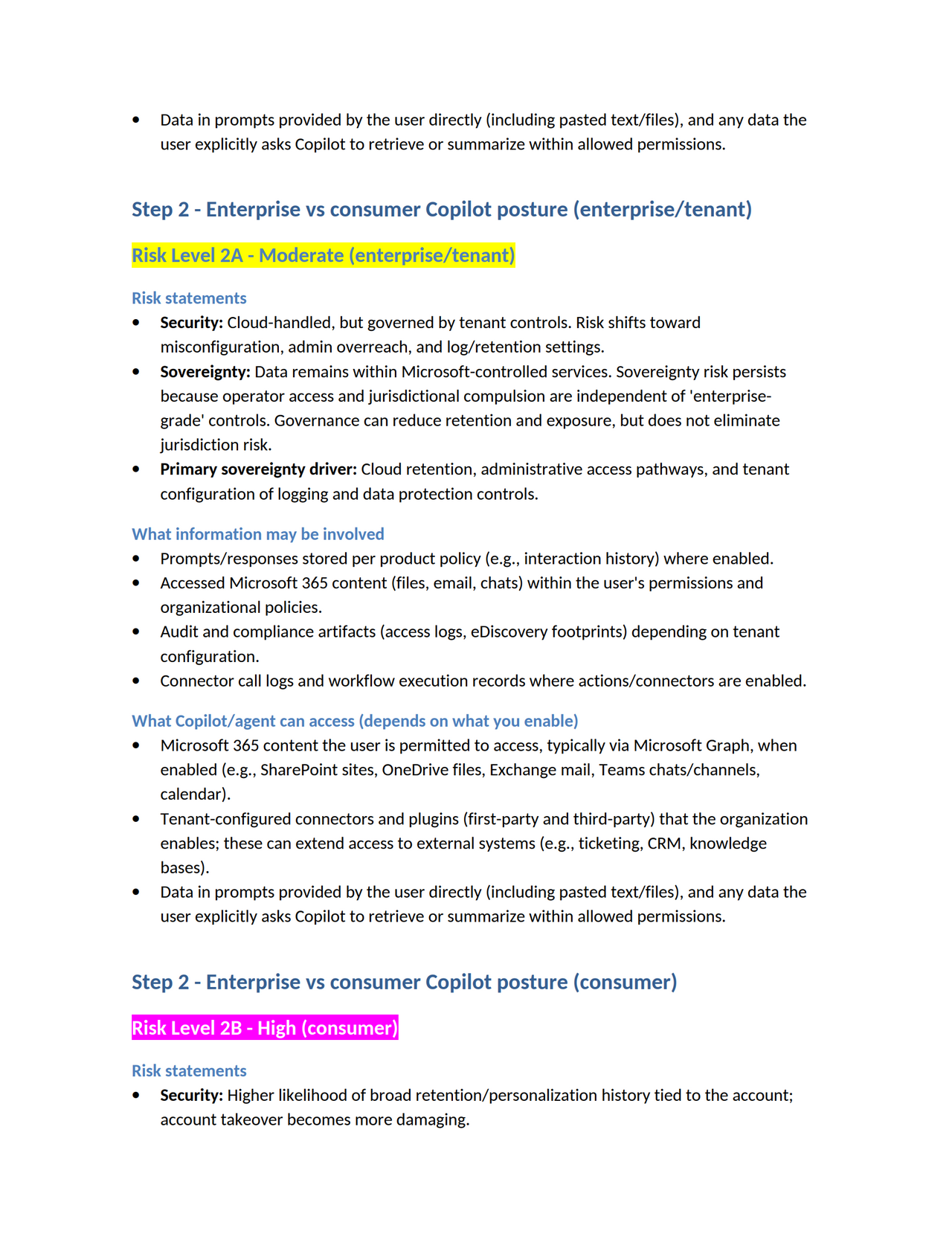
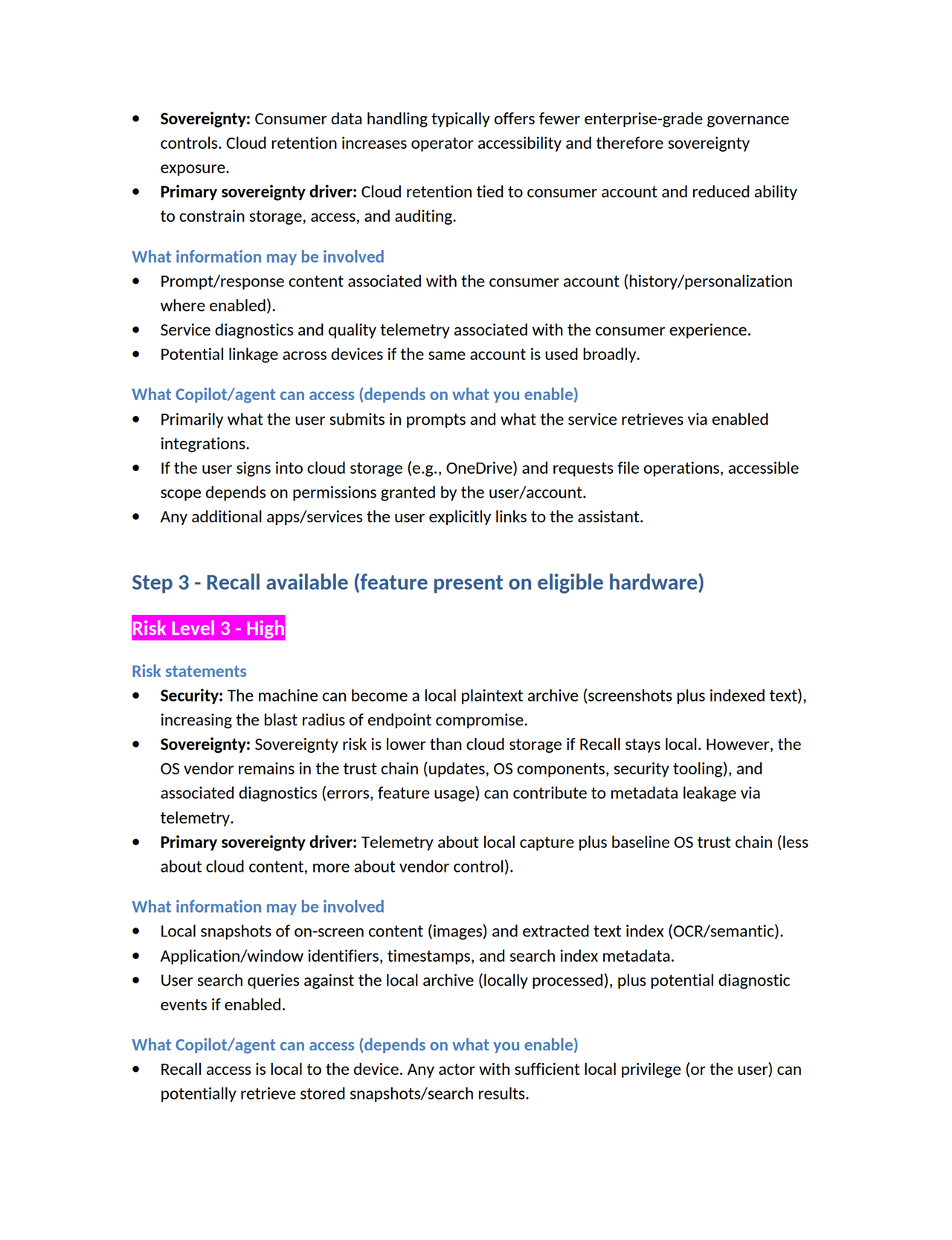
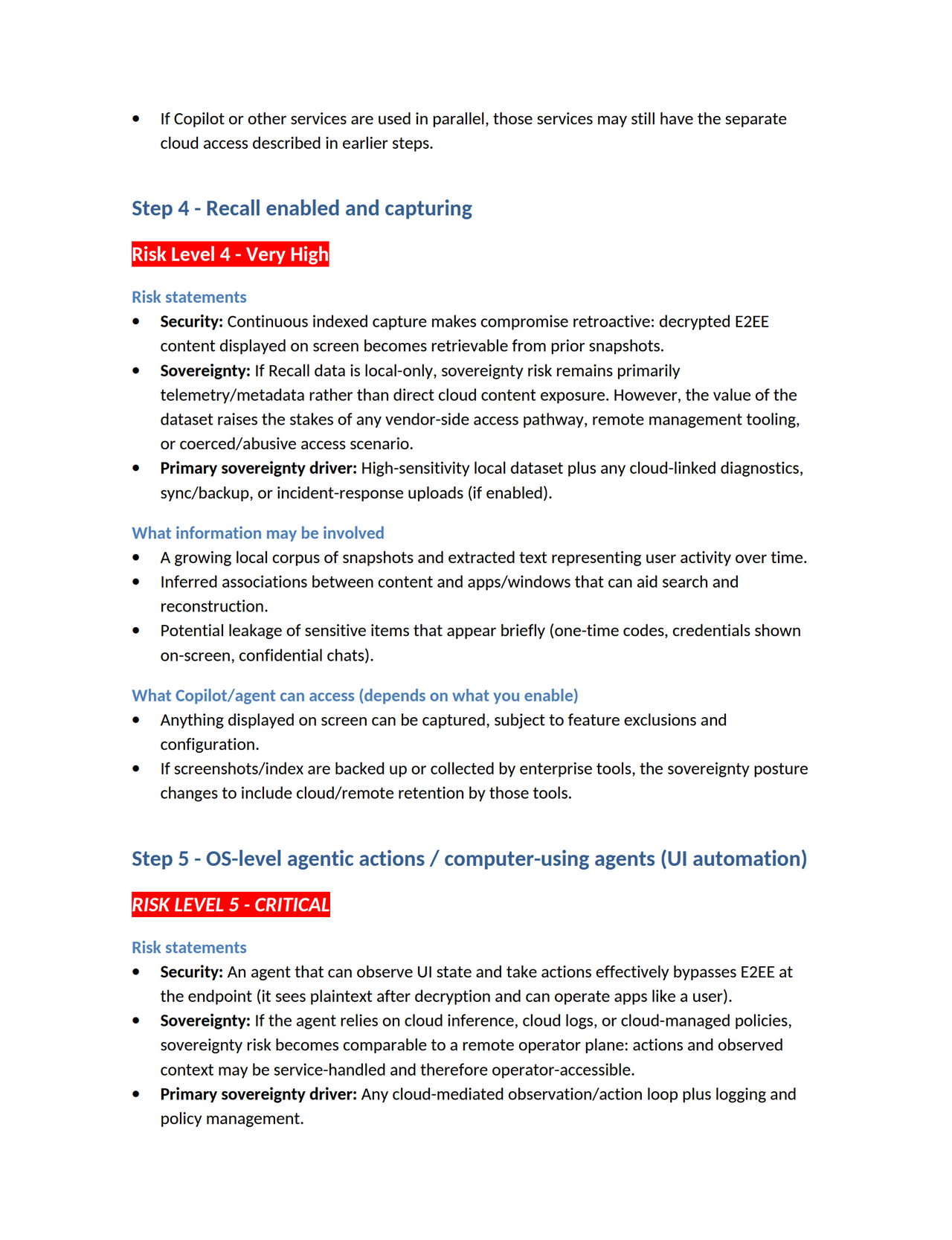
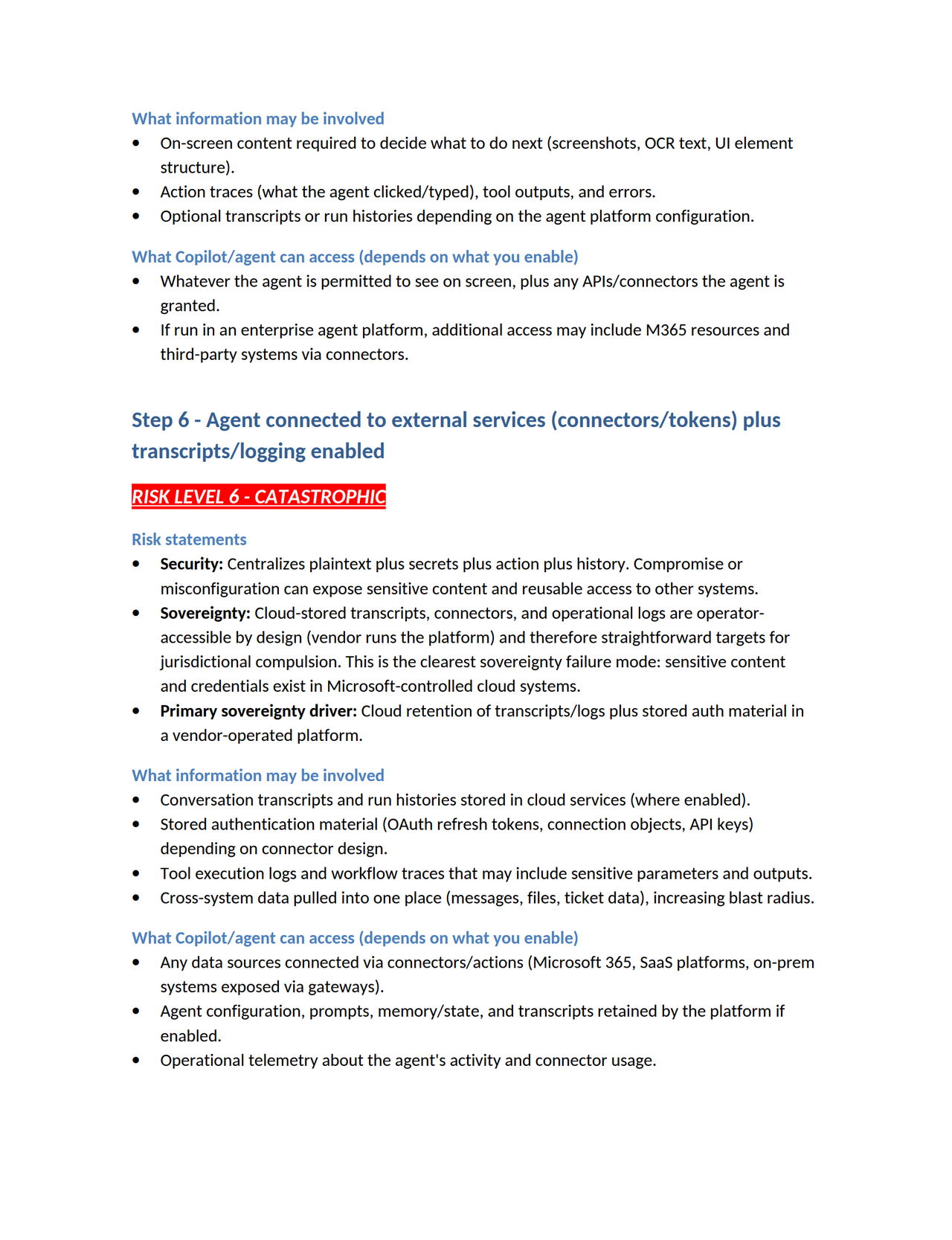
What is alarming is how directly this pattern is repeating today with Copilot. Microsoft is not positioning AI as an optional tool operating at the edge, but as a core operating system and productivity suite layer, embedded into Windows, Teams, Outlook, SharePoint, and the administrative control plane of the enterprise. This is not simply “an assistant.” It is an integrated intermediary designed to observe, retrieve, summarize, and act across the entire organizational data environment, often with persistent state, logging, transcripts, and cloud processing as defaults or incentives. This changes the risk model completely. With IE, the breach potential was largely about code execution. With Copilot, the breach potential becomes enterprise wide data aggregation and action at scale: mailboxes, chats, meetings, documents, connectors, tokens, workflows, all mediated through a vendor operated cloud layer. That is not a minor shift, it is a boundary collapse that turns governance, segmentation, least privilege, and managed security assumptions into fragile hopes rather than enforceable controls. Microsoft’s own documentation shows how rapidly these agent and integration surfaces are becoming enabled by default in Copilot licensed tenants.
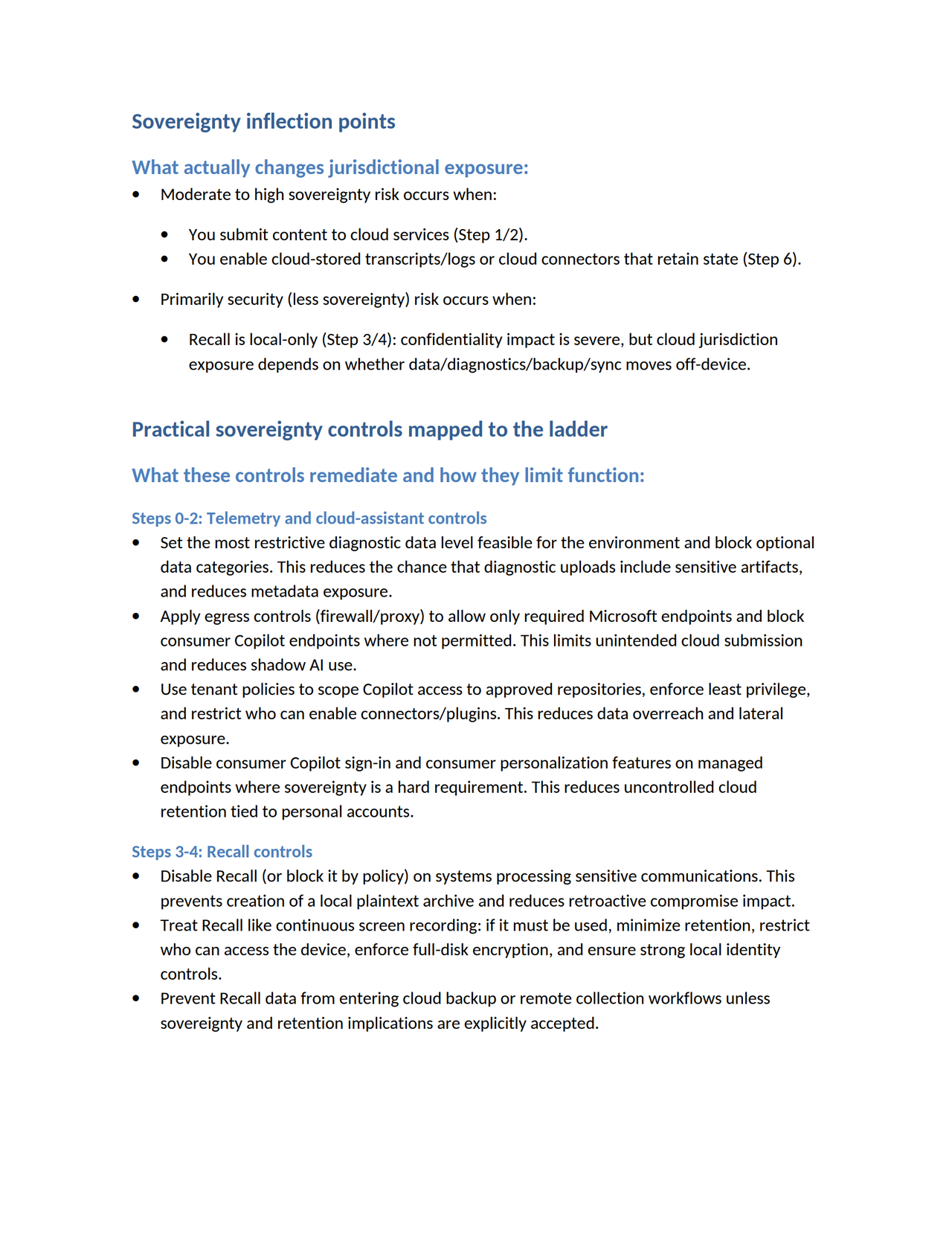
This is where the problem becomes existential for enterprise security. Windows is increasingly being positioned not as a stable, controllable endpoint, but as a marketing platform for AI driven features that require broad access, cloud mediation, and expanded telemetry. The job of IT and security teams becomes an endless exercise in ripping away functionality, disabling default integrations, restricting connectors, limiting retention, and then having difficult conversations with users about why the shiny new feature cannot be trusted in environments with real confidentiality requirements. Instead of enterprise computing becoming simpler and more governable, it becomes more complex, more fragile, and more sovereignty exposed by design. If this trajectory continues, Microsoft risks making Windows less and less defensible as a reasonable secure enterprise platform unless organizations are willing to invest significant effort just to undo what is being bundled in the name of market share.
To help break down the risk, see below: